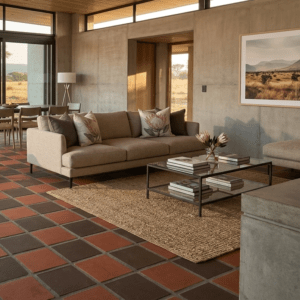
 Walk into almost any architect-designed home in South Africa right now and you’ll find the same detail: a floor that doesn’t stop at the sliding door. The kitchen flows straight onto the patio, same tone, same tile, same feeling of one continuous space. It looks effortless. It isn’t, unless the material and the planning are right from the start. Terracotta happens to be one of the few flooring materials genuinely built for this job.
Terracotta’s natural warmth suits both interior and exterior settings equally well, which is rare among flooring materials. Because our Terracotta Quarry Tile is rated for both indoor and outdoor use, the same tile can genuinely continue from a living room straight through to a patio, creating true visual continuity rather than a matched-but-different look.
A consistent material indoors and outdoors, a natural tone that suits open-plan living, durability that handles both foot traffic and weather exposure, and a timeless aesthetic that doesn’t date the way trend-driven finishes tend to.
For a truly seamless look, aim to minimise any step or level change at the door threshold. Where a small level difference is unavoidable, using a matching bullnose edge, such as our Terracotta Quarry Tile Bullnose, creates a neat, safe transition rather than an abrupt tile edge.
Keeping grout width and colour consistent across the indoor and outdoor sections reinforces the sense of one continuous floor, rather than two separate installations that happen to look similar.
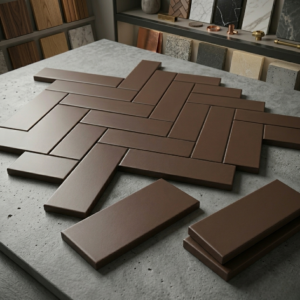
Larger format quarry tiles work particularly well for indoor-outdoor flow, as fewer grout lines create a cleaner, more expansive feel. A straight grid pattern is often the best choice for this application, since it reads as calm and continuous rather than drawing attention to the transition itself. For more pattern options, see our full breakdown in The Ultimate Guide to Terracotta Quarry Tiles for Patios and Courtyards.
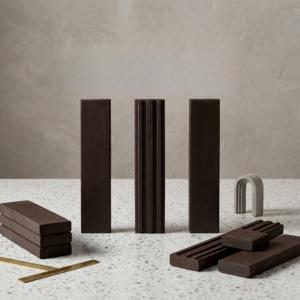
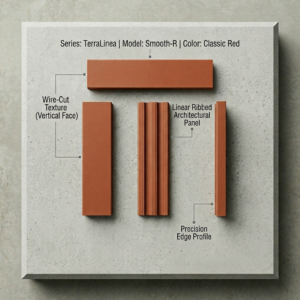
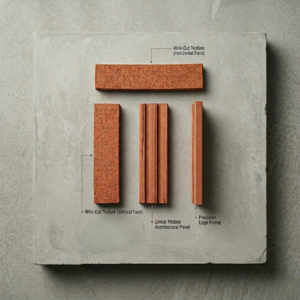
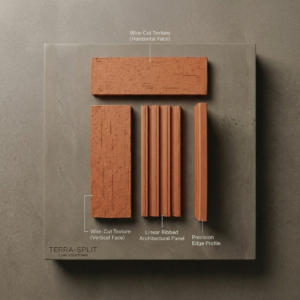
While the main flooring often uses quarry tiles, many homeowners introduce narrower Klompie tiles or thin brick tiles as vertical accents along low garden walls, planters, or an outdoor kitchen, tying the flooring and vertical surfaces together in a single terracotta palette from our brick tile and thin brick ranges.
Because outdoor sections face direct sun, rain, and temperature swings, proper sealing is essential to protect the tile and maintain a consistent appearance across the whole floor. See our complete process in How to Seal and Waterproof Terracotta Tiles in South Africa.
Outdoor terracotta naturally offers reasonable slip resistance thanks to its textured clay surface, but it’s worth discussing finish options with your installer if the outdoor area will be exposed to frequent rain or pool splash zones.
Indoor and outdoor sections of the same floor will wear differently over time, since the outdoor area faces more environmental exposure. A consistent cleaning and resealing routine helps keep both zones looking uniform. Full guidance is available in How to Clean and Maintain Terracotta Floor and Wall Tiles.
Indoor-outdoor terracotta flooring suits a wide range of South African architectural styles, from Cape farmhouse homes to contemporary open-plan builds in Johannesburg and Durban.
Its earthy tone pairs naturally with timber decking, exposed steel, and native landscaping, making it a versatile long-term investment rather than a passing trend that needs replacing in five years.
Planning an indoor-outdoor terracotta floor as a single project, rather than tiling each area separately over time, generally works out more cost-effective and design-consistent. Ordering all tiles in one batch reduces the risk of natural colour variation between production runs, which can be noticeable if outdoor and indoor sections are tiled months apart.
Account for the higher-spec exterior sealer needed for the outdoor portion, any bullnose or trim tiles required at the threshold, and a slightly larger wastage allowance for outdoor cuts around drainage points or irregular patio edges.
If you’re renovating or building new, involving your architect or designer early in the flooring decision pays off. Indoor-outdoor terracotta flooring works best when door thresholds, floor levels, and drainage falls are planned around the tile from the start, rather than retrofitted afterward. Discuss slip resistance requirements for pool surrounds or rain-exposed areas at the design stage, and confirm which tile format, quarry, klompie, or thin brick, best suits each zone before finalising floor plans and door specifications.
Because indoor-outdoor projects are best ordered as a single batch, it’s worth talking to us before your architect finalises floor plans. Contact Brick Tile Shop for a quote that covers your interior floor, patio, and any threshold trims as one consistent order.
Yes. Our quarry tiles are rated for both interior and exterior use, allowing genuine continuity from indoor floors to outdoor patios.
It’s often recommended to use a sealer rated for UV and weather exposure on the outdoor portion, even if the tile itself is identical throughout.
Minimising the level change and using a bullnose edge trim where needed helps maintain a smooth, safe transition between indoor and outdoor flooring.
Yes, provided the tiles are properly sealed and maintained, terracotta performs well in coastal climates including humidity and salt air exposure.