 Terracotta gets better with age, but only if you’re cleaning it the right way. Reach for the wrong product once or twice and you can undo years of good sealing in an afternoon. The good news is that proper terracotta care is genuinely simple once you know what to use and what to avoid. This guide covers routine cleaning, common mistakes, and long-term maintenance for terracotta floors and walls across South African homes.
Terracotta is a porous clay material, which means harsh chemicals or acidic cleaners can damage the surface and strip away protective sealant over time. Proper care starts with using the right products and the right technique, particularly on sealed floors like those covered in How to Seal and Waterproof Terracotta Tiles in South Africa.
For everyday maintenance, terracotta tiles need very little effort.
Sweep or vacuum regularly to remove grit and dust that can scratch the surface over time, particularly on Satin finishes where fine scratches show more readily.
Damp mop with warm water and a pH-neutral cleaner designed for natural stone or terracotta, then dry the surface afterward to prevent water spots.
Avoid vinegar, bleach, and other acidic or abrasive cleaners, as these can break down the sealant and dull the natural terracotta finish, echoing general natural stone care guidance from European Heritage’s technical tile advice. Steam cleaners should also be used with caution, as excess moisture can penetrate unsealed grout lines over time.
Outdoor terracotta, such as quarry tiles or patio-installed klompie tiles, faces additional exposure to dirt, leaves, and weather. A regular sweep combined with an occasional wash using a soft-bristle brush and mild detergent keeps outdoor terracotta looking fresh without damaging the sealed surface.
A diluted terracotta-safe cleaner applied with a soft brush, followed by a thorough rinse, is usually sufficient. Pressure washers should be used on a low setting only, and never directly on grout lines.
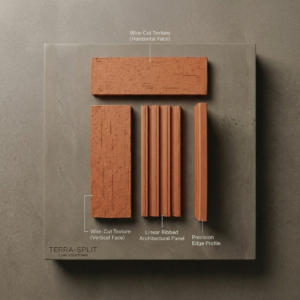
Interior brick tile feature walls, such as those built using thin brick tiles, require even less maintenance than floors, since they see no foot traffic. A soft, dry brush or vacuum attachment is usually enough to keep dust from settling into the textured surface, particularly on Travertine finishes.
Different stains call for slightly different approaches.
Common on kitchen splashbacks and near braai areas, these respond best to a mild degreasing agent formulated for natural stone, applied sparingly and rinsed thoroughly to avoid dulling the sealant.
Often seen around outdoor taps or pool surrounds, these can usually be lifted with a soft cloth and warm water, though persistent mineral buildup may need a specialist terracotta-safe descaler.
Leaf tannins or algae on outdoor patios are best treated early with a soft-bristle brush and diluted terracotta cleaner before they have a chance to set into the porous surface.
If a stain does occur, address it as quickly as possible. Blot rather than rub the area, and use a terracotta-appropriate cleaner rather than a generic household product. Stubborn stains on unsealed or poorly sealed tiles may require professional restoration, which is another reason proper sealing from the outset matters so much. For quantity and pattern planning if you’re replacing damaged tiles, see our Ultimate Guide to Terracotta Quarry Tiles for Patios and Courtyards.
Sealant naturally wears down over time, particularly on high-traffic floors and sun-exposed patios. A simple water test, splashing a small amount of water on the surface and checking whether it beads or absorbs, will tell you when it’s time to reseal. Full guidance on the resealing process is available in our sealing and waterproofing guide.
Consistency matters more than intensity when it comes to terracotta upkeep. A short weekly sweep, combined with a monthly damp mop using a pH-neutral cleaner, will prevent the kind of dirt build-up that leads to more stubborn problems later. For outdoor areas, pair this with a seasonal deep clean before and after the rainy season, when leaves, pollen, and general debris accumulate fastest. Keeping a simple log of when tiles were last sealed also helps you stay ahead of resealing before wear becomes visible, rather than reacting once the surface has already dulled.
Inspect grout lines for cracking or wear at the start of each season, reseal outdoor patios annually or as needed based on the water test, clear leaves and debris from courtyards before the rainy season, and check indoor feature walls periodically for dust build-up in textured Travertine finishes.
If you’re not sure which cleaner or sealer suits your specific tile and finish, contact Brick Tile Shop and we can point you toward products that won’t damage your installation or void your sealant’s performance.
No. Regular tile cleaners are often too acidic or abrasive for terracotta. Use a pH-neutral cleaner specifically suited to natural clay or stone.
Weekly sweeping and mopping is sufficient for most homes, with more frequent sweeping recommended for outdoor patios exposed to dirt and leaves.
This is often a sign that the sealant has worn down. A fresh coat of terracotta sealer will usually restore the natural depth and warmth of the tile.
Only on a low setting, held at a safe distance from the surface. Avoid directing a pressure washer straight at grout lines, as this can dislodge grout over time.