Brick Cladding and Faggot Brick Slips: A Smarter Alternative to Plaster and Paint for Modern South African Homes
Across South Africa, architects, contractors, developers, and homeowners are moving away from high-maintenance painted walls and traditional plaster finishes. Instead, many are choosing clay brick cladding and thin brick systems that deliver the timeless appearance of face brick without the structural weight or cost of conventional masonry.
Whether restoring an old painted building in Cape Town, designing a coastal home in Plettenberg Bay, developing retail spaces in Sandton, or building modern light steel frame homes in Pretoria, brick slips have become one of the most practical and visually appealing exterior and interior wall finishes available today.
The appeal is not simply aesthetic. Brick cladding solves long-term maintenance problems, reduces repainting costs, improves durability, and creates an authentic architectural finish that suits both modern and traditional design styles.
Why Brick Cladding Is Becoming More Popular in South Africa
Many South African buildings still rely on plaster and paint systems. While these finishes may appear affordable initially, they often become expensive over time. Cracked plaster, peeling paint, damp-related failures, and ongoing repainting cycles can significantly increase maintenance costs over the lifespan of a property.
Brick slips offer a long-term alternative. Instead of repeatedly repairing and repainting walls every few years, property owners can install durable clay brick cladding that maintains its appearance for decades with minimal maintenance.
This is especially important in coastal regions such as Durban, Port Alfred, and Cape Town, where salt air, moisture, and harsh weather conditions accelerate paint deterioration. Inland regions such as Bloemfontein and Limpopo Province also experience intense sun exposure that fades painted surfaces over time.
Clay brick cladding eliminates many of these issues while delivering a more permanent architectural finish.
What Are Faggot Brick Slips?
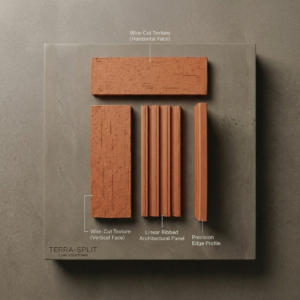
Faggot brick slips are thin sections of real clay face brick that are cut or manufactured specifically for cladding applications. Because they are significantly thinner than conventional building bricks, they can be applied directly onto existing walls, light steel frame structures, fibre cement surfaces, or prepared substrates without the need for full brick masonry construction.
These brick slips replicate the appearance of full face brick walls while reducing structural load and installation complexity.
Modern brick slip systems are now widely used in residential homes, commercial developments, restaurants, shopfitting projects, apartment blocks, office interiors, feature walls, fireplaces, and retail developments throughout South Africa.
Renovating Existing Painted Buildings Without Replastering
One of the most practical uses of thin brick cladding is building renovation.
Many older buildings have painted or plastered walls that constantly require maintenance. Hairline cracks, weather damage, and peeling paint often return even after repairs. Instead of replastering and repainting again, brick slips can be installed over prepared existing surfaces to create a completely new architectural appearance.
This transforms dated buildings into modern brick-finished structures without extensive demolition.
For homeowners and developers, this creates several long-term advantages. The building gains the appearance of authentic face brick while reducing future maintenance costs. Once installed correctly, clay brick cladding requires very little upkeep compared to painted surfaces.
This makes brick slips particularly attractive for sectional title developments, guesthouses, commercial buildings, restaurants, and modern residential renovations where ongoing maintenance costs are a concern.
The Long-Term Savings of Brick Cladding
The true value of brick cladding is often seen over time rather than during initial installation alone.
Painted buildings generally require regular repainting cycles every few years depending on climate exposure and product quality. Cracked plaster must also be repaired continuously. Labour, scaffolding, preparation work, and paint costs accumulate over the lifespan of the building.
Clay brick slips reduce these recurring expenses substantially.
Because the colour is inherent to the clay product itself, there is no painted surface that fades or peels away. The result is a façade that maintains its appearance naturally over many years.
For property owners planning long-term investments, brick cladding often becomes more cost-effective over the lifespan of the building than repeated repainting and plaster repairs.
Brick Slips in Light Steel Frame Construction
Light steel frame construction continues to grow throughout South Africa due to faster build times, improved engineering efficiency, and reduced structural weight. However, one challenge many architects face is achieving the warmth and authenticity of traditional masonry finishes without overloading the structure.
This is where thin brick systems work exceptionally well.
Because brick slips are lightweight compared to conventional brick walls, they can be installed onto light steel frame systems while still achieving the appearance of full masonry construction.
Architects and developers increasingly specify thin brick cladding for modern homes, commercial offices, lifestyle estates, schools, and retail developments because it combines modern construction efficiency with the timeless visual appeal of face brick architecture.
The reduced weight of the cladding system also assists with transport, structural design, and installation flexibility.
Klompie Tiles for Traditional and Modern Applications
Klompie tiles have become highly popular in both modern and rustic architectural projects. Their slim profile and elongated shape allow designers to create feature walls and façades with a handcrafted brick appearance.
The available Klompie tile sizes include:
These tiles work exceptionally well in residential feature walls, fireplaces, entertainment areas, restaurant interiors, wine cellars, and exterior façades.
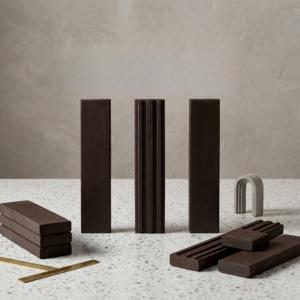
In coastal homes, terracotta klompie tiles often complement natural timber, exposed concrete, and large glass openings. In urban environments such as Sandton and Pretoria, darker tones such as chocolate and black are commonly used to create bold contemporary finishes.
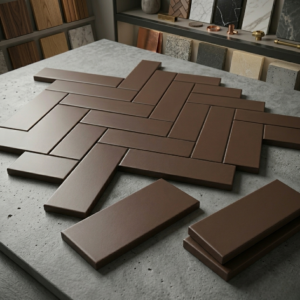
The narrow profile also allows architects to experiment with various laying patterns while maintaining a clean and sophisticated appearance.
Satin Thin Brick Range With an Authentic Face Brick Appearance
The satin thin brick range offers a refined brick skin appearance that closely resembles full face brick masonry.
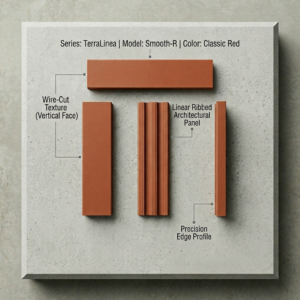
These thin bricks are available in a 225x70x14mm format and provide a smooth satin texture that creates a clean architectural finish suitable for both interior and exterior applications.
Because the tiles emulate authentic face brick construction, they are frequently specified in modern residential homes, apartment developments, office buildings, and hospitality projects where the appearance of traditional brickwork is desired without the structural implications of full brick construction.
The satin finish works particularly well in minimalist modern architecture where clean lines and subtle textures are important.
Travertine Thin Brick Tiles for Textured Architectural Finishes
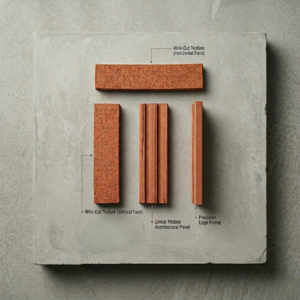
Travertine thin brick tiles create a more textured and natural appearance. These clay brick skins emulate the roughness and character associated with travertine-style surfaces while still maintaining the durability of fired clay products.
Available sizes include:
- 225x75x14mm
- 225x50x14mm (klompie tile)
These products are commonly used where architects and designers want a softer, weathered, or more tactile finish.
The travertine-style texture works exceptionally well in coastal architecture throughout Cape Town, Plettenberg Bay, and Durban, where natural materials and earthy colour palettes remain highly desirable.
The range is available in colours such as terracotta, chocolate, and black, allowing designers to create both warm traditional spaces and bold modern façades.
Why Architects and Interior Designers Specify Clay Brick Slips
Architects and designers increasingly specify clay brick cladding because it offers both technical and aesthetic advantages.
Unlike artificial wall finishes, genuine clay products provide depth, variation, and authenticity. Natural firing variations create subtle colour movement that enhances the architectural character of a building.
These materials are also suitable for multiple applications, including:
- Exterior façades
- Interior feature walls
- Shopfitting projects
- Restaurants and hospitality spaces
- Fireplaces
- Residential renovations
- Commercial developments
- Light steel frame buildings
Because the products are produced in SABS manufacturing facilities, specifiers can also have confidence in consistency, durability, and production quality.
This becomes particularly important for developers, contractors, and architects working on larger projects where material reliability and long-term performance matter.
Brick Cladding for Coastal and Inland South African Architecture
South African architecture varies significantly between coastal and inland regions. Brick slip systems allow architects to adapt finishes according to climate, style, and regional design trends.
In coastal regions such as Cape Town and Durban, lighter terracotta and textured travertine finishes often complement natural surroundings and coastal aesthetics.
In inland urban areas such as Pretoria, Bloemfontein, and Sandton, darker modern brick tones are frequently used to create contemporary façades with strong geometric forms.
Because the products are manufactured from durable fired clay, they perform well across varying climatic conditions throughout South Africa.
A Practical Solution for Modern Construction
Brick slips are no longer viewed simply as decorative finishes. They have become a practical construction solution for modern South African architecture.
They solve maintenance problems associated with plaster and paint, reduce long-term upkeep costs, improve design flexibility, and allow lightweight construction systems to achieve the appearance of traditional masonry.
For homeowners renovating older buildings, developers constructing modern estates, architects designing feature façades, or contractors seeking durable wall finishes, clay brick cladding continues to provide a reliable and visually timeless solution.
As light frame construction and modern architectural methods continue to expand throughout South Africa, the demand for authentic clay brick skin systems will likely continue to grow alongside it.