When it comes to finishes that feel both timeless and practical, thin brick tiles continue to stand out in the South African market. Commonly referred to as Klompie tiles, they bring the warmth and texture of real clay brick into spaces where full brickwork would be too heavy, too costly, or simply unnecessary.
What makes them so appealing is that they offer the authentic look of brick without the structural demands of traditional masonry. Whether you are refreshing a patio, adding character to a living room wall, or upgrading an exterior façade, they give a natural, long-lasting finish that feels considered rather than decorative.
At Brick Tile Shop, popular sizes such as 225 x 70 x 14mm and 224 x 50 x 14mm make them suitable for a wide range of residential and commercial applications across South Africa.
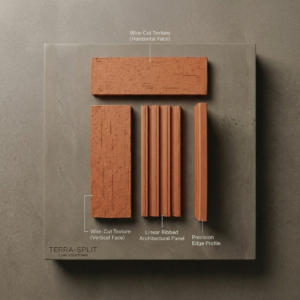
Thin brick tiles are cut from real fired clay brick and designed to be installed as a surface finish for walls and floors. Because they are made from genuine clay, they retain the natural tonal variation and texture that gives brick its character.
This means you get the depth and authenticity of face brick, but in a much lighter format that can be applied with tile adhesive onto an existing prepared surface.
| Feature | Why It Matters |
|---|---|
| Real fired clay | Keeps the authentic brick look and texture |
| Slim 14mm profile | Easier installation and less structural load |
| Natural colour variation | A more organic and premium finish |
| High durability | Suitable for indoor and outdoor use |
For South African homes, this makes them particularly useful for renovations where the aim is to modernise a space without major building work.
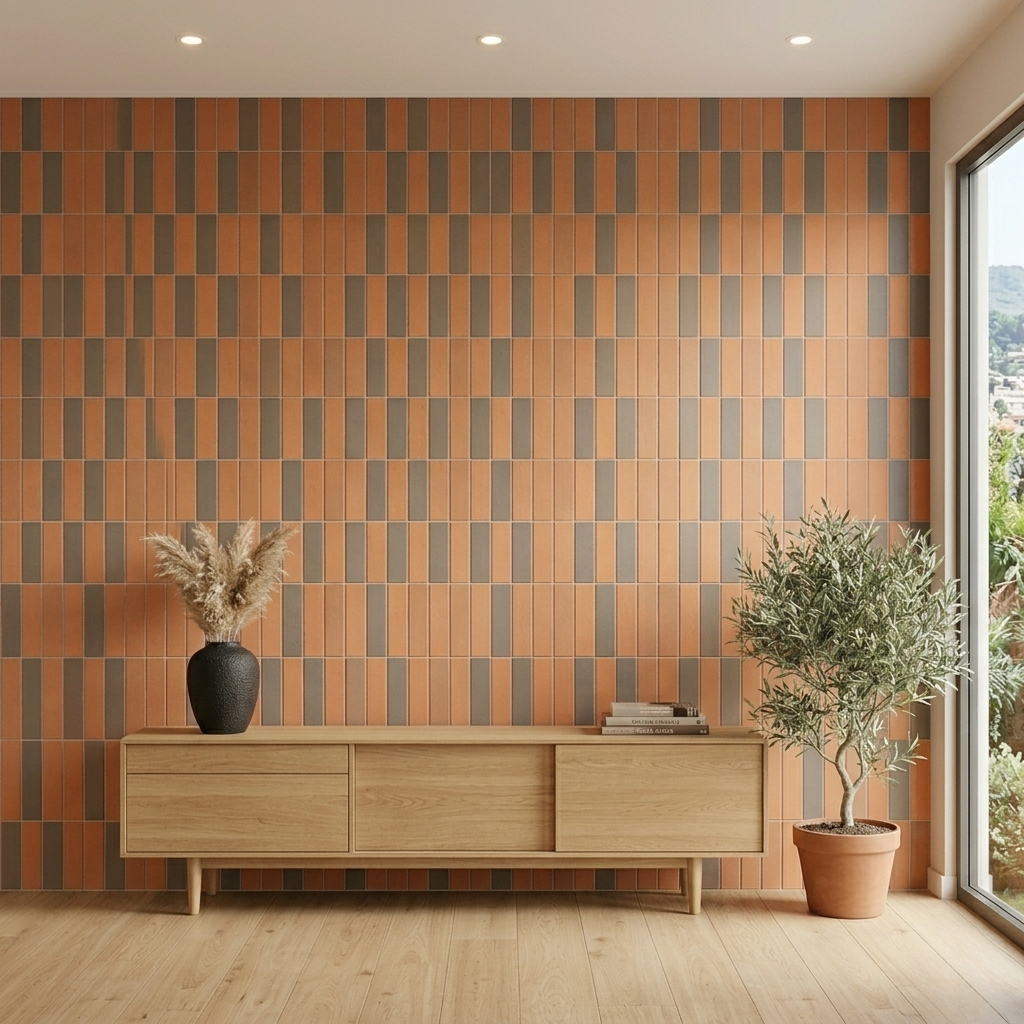
There is a reason thin brick tiles are frequently used in feature walls and exterior cladding. They add texture and depth in a way that plain plaster simply cannot.
A simple wall can be turned into a focal point that feels warm, architectural, and far more premium.
| Application | Typical Use |
|---|---|
| Feature walls | Living rooms, entrances, bedrooms |
| Exterior façades | Street-facing walls and boundary features |
| Braai and fireplace surrounds | Durable and heat-resistant finish |
| Commercial interiors | Reception areas, cafés, retail spaces |
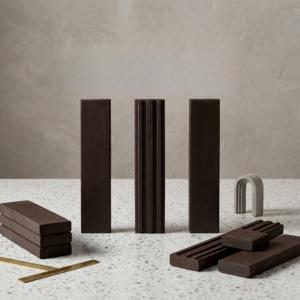
Popular finishes such as Terracotta bring warm earthy tones, while Chocolate works beautifully in more modern or luxury settings.
The result feels less like a tile finish and more like a deliberate architectural choice.
One of the biggest advantages of Klompie tiles is practicality.
Because they are only 14mm thick, they can be applied directly to prepared walls, existing concrete, and selected tiled surfaces. There is no need for additional structural support or traditional bricklaying.
| Traditional Brick | Thin Brick Tile |
|---|---|
| Heavier structural load | Lightweight solution |
| Slower installation | Faster turnaround |
| Higher labour costs | More efficient installation cost |
| Requires bricklaying | Fixed with adhesive |
For developers and homeowners alike, this often translates into faster project delivery and better cost control.
These tiles are not limited to walls. They also work exceptionally well as flooring, especially in areas where durability matters.
Because they are manufactured from fired clay, they are well suited to spaces that experience regular foot traffic.
| Area | Why It Works |
|---|---|
| Living areas | Warm natural texture |
| Patios | Durable in outdoor conditions |
| Walkways | Strong under daily use |
| Entertainment spaces | Ideal for social areas |
This is particularly popular in South African homes where patios and braai spaces form an important part of everyday living. For more inspiration on outdoor applications, see our guide on why Klompie tiles are a great choice for patios and courtyards.
A design trend that continues to perform well in South Africa is seamless indoor-outdoor living.
Using the same thin brick tile finish from an interior living area through to a patio or entertainment space helps create continuity. It visually opens up the home and makes spaces feel larger and more cohesive.
This approach is especially common in areas such as Cape Town and Gauteng, where lifestyle design often centres around outdoor living.
The finish you choose should depend on where the tiles will be used.
The travertine-style finish has a more textured surface, making it better suited to outdoor applications.
| Best Used In | Benefit |
|---|---|
| Pool surrounds | Better grip |
| Garden pathways | More slip resistance |
| Outdoor patios | Durable under weather exposure |
The satin finish offers a smoother and more refined look, and it also works beautifully in interior spaces such as bathrooms and accent walls. If you are exploring indoor styling ideas, have a look at our article on Klompie tiles for bathroom accents.
| Best Used In | Benefit |
|---|---|
| Kitchens | Easy to maintain |
| Living rooms | Clean modern aesthetic |
| Interior feature walls | Softer contemporary finish |
Another reason these tiles remain so popular is their design flexibility.
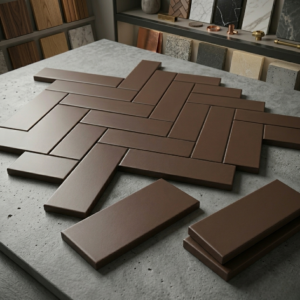
The layout pattern can completely change the character of the space.
| Pattern | Look and Feel | Ideal For |
|---|---|---|
| Herringbone | More decorative and premium | Floors, entrances |
| Stack bond | Minimal and modern | Contemporary interiors |
| Basket weave | More traditional | Rustic and classic designs |
These patterns help the final result feel bespoke rather than standard.
From a long-term cost perspective, thin brick tiles make strong commercial sense.
They require very little maintenance and hold up well in South African weather conditions.
| Maintenance Aspect | Value |
|---|---|
| No repainting | Lower long-term costs |
| Fade resistance | Colour longevity |
| Easy cleaning | Reduced maintenance time |
| Exterior durability | Suitable for SA climate |
For both residential and commercial projects, this improves lifecycle ROI.
Brick Tile Shop offers solutions tailored to South African conditions, with options for both smaller home projects and large-scale commercial requirements.
| Offering | Benefit |
|---|---|
| A-grade and B-grade options | Flexible budget choices |
| Bulk order pricing | Better commercial margins |
| Nationwide delivery | Reliable logistics across SA |
| Locally suitable products | Designed for local use |
If you are planning a wall cladding, patio, or flooring project, thin brick tiles remain one of the most versatile finishes available in South Africa today.
Yes, thin brick tiles are well suited to South African outdoor conditions. Their fired clay composition makes them durable, weather-resistant, and ideal for patios, walkways, courtyards, and exterior wall cladding.
Yes. One of their main advantages is that they can be installed directly onto properly prepared existing walls using tile adhesive, which makes them ideal for renovations and upgrades.
Travertine offers a more textured, slip-resistant surface that works well outdoors, while satin provides a smoother, more refined finish that is better suited to interior spaces such as kitchens, bathrooms, and feature walls.
Yes, they are very low maintenance. They do not require painting, resist fading, and can be cleaned easily, making them a practical long-term flooring and cladding solution.
Terracotta is ideal for warm, earthy spaces, while Chocolate suits more contemporary and luxury interiors. The best choice depends on the overall design style and surrounding finishes.