
Showing all 25 results
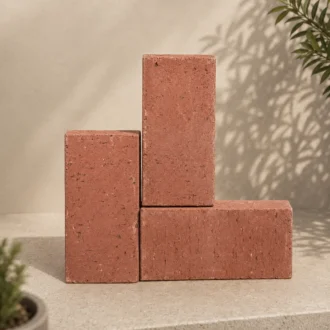


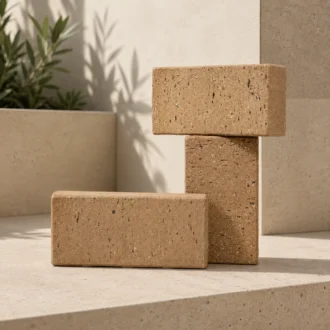
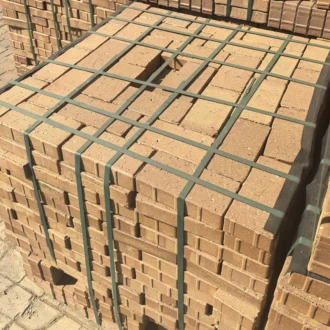
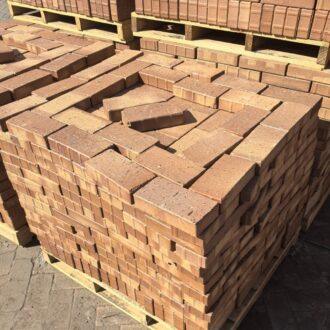


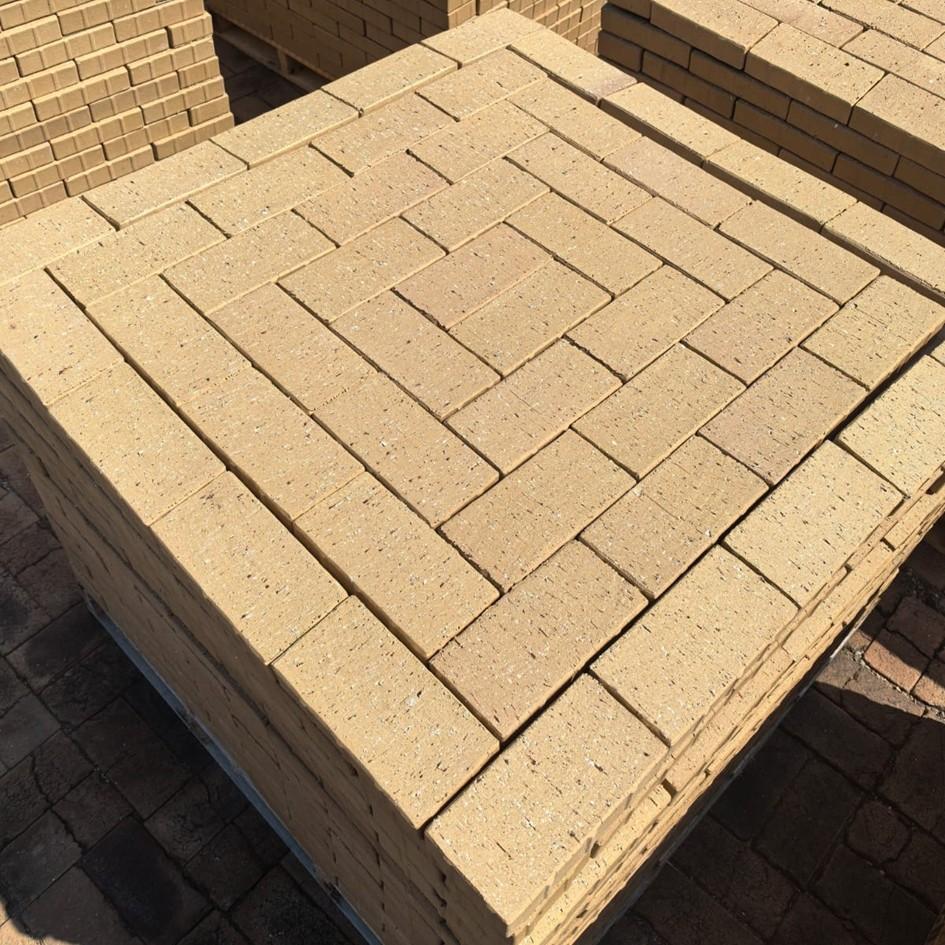

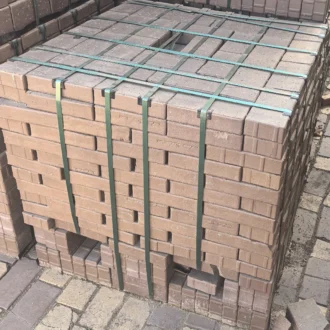
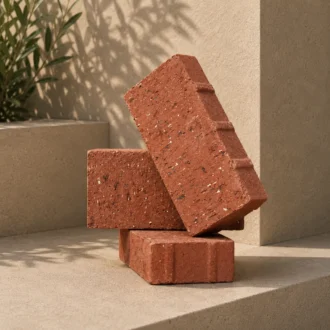
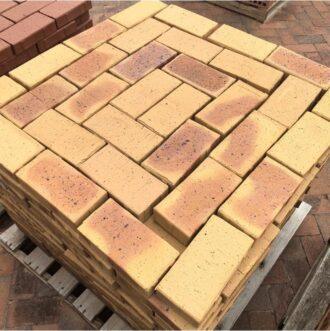
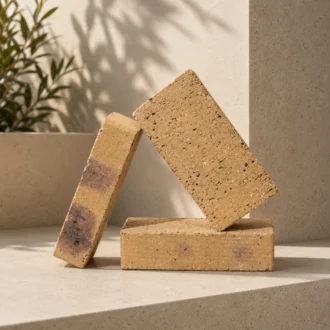
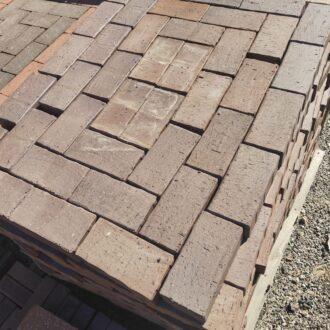
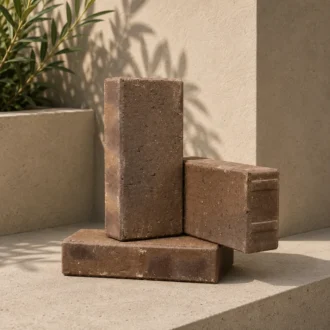
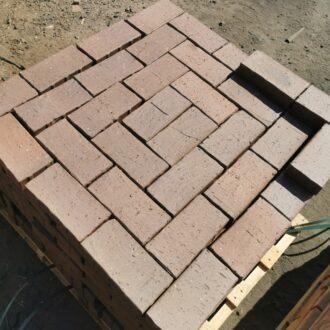
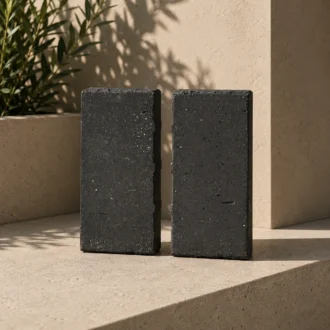
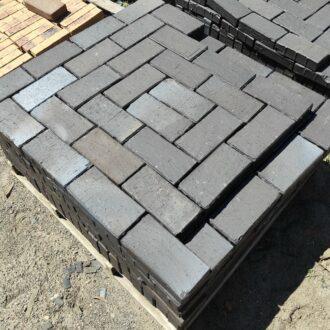

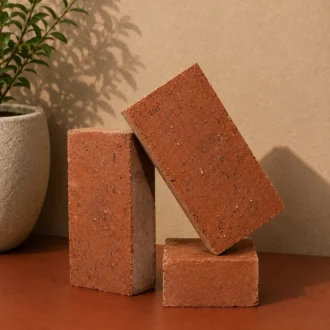
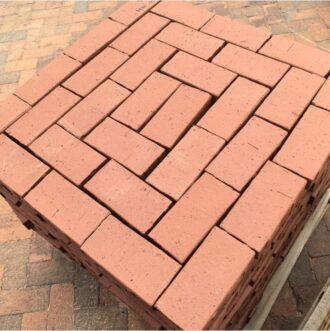
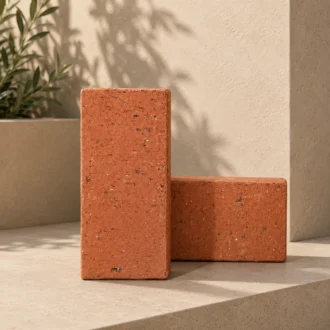
Looking for durable clay pavers in Gauteng? Brick Tile Shop offers a carefully selected range of paving bricks for driveways, patios, courtyards, pathways, entrances and outdoor entertainment areas. This collection focuses primarily on genuine clay pavers, with different colours, textures, sizes and edge profiles available for residential and commercial paving projects.
Clay pavers are manufactured from natural clay and fired to create strong, colour-rich paving units. Unlike a painted surface, the distinctive colour and character of a clay paving brick are created during manufacturing. This allows clay paving to develop an attractive, natural appearance as it weathers and ages.
Browse the available clay paving bricks below, compare prices and finishes, and request a quote based on your required quantity and Gauteng delivery address.
Brick Tile Shop assists homeowners, builders, architects, landscapers, paving contractors and property developers looking for clay pavers for sale in Gauteng.
Our clay paving range can be considered for projects throughout:
Product availability, delivery charges and lead times depend on the selected paver, required quantity and delivery location. Contact Brick Tile Shop for an accurate quotation before placing a large order.
Clay pavers are fired-clay bricks designed for use on horizontal paved surfaces. Depending on the specification of the individual product, they can be used for pedestrian areas, residential driveways and selected commercial applications.
Clay pavers should not be confused with ordinary face bricks or clay stock bricks. Face bricks are primarily manufactured for walls, while paving bricks are produced to withstand the loads, wear and environmental conditions associated with paved surfaces.
For driveways or vehicle-access areas, always select a clay paver that is approved by its manufacturer for the intended traffic load.
Clay paving bricks combine practical performance with the natural colour variation and character associated with fired clay.
Clay pavers receive their colour from the clay body, minerals and firing process. Colours may include terracotta, red, burgundy, brown, charcoal, plum, buff and blended shades.
Natural variation between individual pavers is part of the appearance of clay paving. Mixing pavers from several packs during installation normally helps distribute these variations more evenly across the completed surface.
Clay paving can develop additional character as it is exposed to sunlight, rain and normal use. Its appearance often complements face-brick buildings, garden landscaping, timber, natural stone and contemporary exterior finishes.
When the correct paver is installed over a properly prepared base, clay paving can provide a long-lasting surface for suitable pedestrian and vehicle applications.
The performance of the completed paving does not depend on the paver alone. Ground preparation, drainage, bedding, joint filling, edge restraint and workmanship are equally important.
Where paving has been installed correctly, individual units can usually be lifted and replaced if access is required beneath the surface or if a paver becomes damaged.
Clay paving is not limited to traditional red-brick homes. Dark, light, blended and contemporary clay pavers can work effectively with modern architecture, black steel, concrete, timber and neutral exterior finishes.
The correct application depends on the specification, dimensions and strength of the selected product.
| Application | What to consider |
|---|---|
| Residential driveways | Use a driveway-suitable paver with a correctly designed and compacted base. |
| Patios and courtyards | Consider colour, surface texture, furniture placement and drainage. |
| Garden pathways | Select a comfortable walking surface with secure edging. |
| Entrances and walkways | Consider pedestrian traffic, drainage and transitions between surfaces. |
| Pool surrounds | Confirm that the selected paver and finish are suitable for wet areas. |
| Braai and entertainment areas | Choose a colour and pattern that complements the surrounding walls and outdoor finishes. |
| Commercial paving | Confirm traffic loads, engineering requirements and product suitability before ordering. |
Clay pavers are available in a variety of fired colours and surface appearances. Individual product availability will vary, but the broader range may include:
Colours displayed on a screen may differ from the physical product because of lighting, photography and monitor settings. Where colour matching is important, request a sample or view the product before confirming a large order.
Clay is a natural material, so reasonable variation should be expected between pavers and production batches. Ordering the full quantity together can help produce a more consistent overall blend.
The selected laying pattern influences the appearance and structural behaviour of a paved surface.
Herringbone creates a tightly interlocking appearance and is commonly considered for driveways and vehicle areas. The base, edge restraints and installation must still be appropriate for the expected traffic.
Stretcher bond produces a clean, linear appearance that works well on pathways, patios, courtyards and contemporary outdoor spaces.
Basket weave provides a decorative, traditional character. It works particularly well with rectangular clay pavers whose dimensions are suitable for the pattern.
Stack bond creates strong straight lines and a modern visual effect. Its suitability depends on the application and how the paving will be restrained.
Before selecting a pattern, confirm that the dimensions of the chosen clay paver work with the intended layout and joint width.
Consider the following before purchasing clay pavers in Gauteng:
The number of clay pavers required per square metre depends on:
Measure the length and width of each section and calculate the total square metres. Add an appropriate allowance for cutting, breakage and future replacements. A waste allowance of approximately 5–10% is often considered, but complex patterns and irregular areas may require more.
Use the dimensions and coverage information shown on the individual product page or ask Brick Tile Shop to help confirm the estimated quantity.
Gauteng paving installations must accommodate local ground conditions, seasonal rainfall and the intended traffic load.
A successful installation generally requires:
Poor drainage or insufficient base preparation can cause movement, settlement and uneven paving, even when a high-quality paver is used.
For driveways, commercial spaces, unstable ground or areas with unusual drainage requirements, obtain advice from an experienced paving contractor or relevant professional.
Clay paving is generally straightforward to maintain. Routine care may include sweeping away loose material, removing organic matter and washing the surface when necessary.
Treat stains using a cleaning method suitable for fired-clay paving. Avoid applying harsh chemicals, acids or sealers without first confirming their suitability with the product manufacturer or supplier.
Efflorescence can occasionally appear as a light-coloured deposit on masonry products. This is usually associated with soluble salts and moisture movement. The appropriate treatment depends on the cause, so avoid aggressive cleaning methods that could damage the surface.
To receive an accurate clay paving quotation, provide:
Brick Tile Shop can then confirm current pricing, VAT, availability and applicable delivery charges.
Browse the available clay pavers below or contact us for assistance choosing paving bricks for your driveway, patio, courtyard, pathway or outdoor entertainment area.
Yes, certain clay pavers are suitable for residential driveways. The individual product must be intended for vehicle traffic, and the base, drainage and edge restraints must be correctly designed and installed.
No. Clay pavers are intended for paved surfaces, while face bricks are primarily intended for walls. Do not use an ordinary face brick as a paving brick unless the manufacturer specifically approves that application.
Clay pavers are manufactured from fired natural clay, while concrete pavers are manufactured using cement and aggregates. Both can provide durable paving when correctly specified and installed. The best option depends on the desired appearance, traffic load, dimensions, budget and project conditions.
The colour of a clay paver is created through the clay composition and firing process rather than simply being painted onto the surface. Natural weathering and variation can still affect its appearance over time, but this is often part of the character of clay paving.
Not every clay paving product requires sealing. The decision depends on the product, location, expected staining and desired finish. Confirm compatibility before applying any sealer.
Some clay pavers may be suitable for pool surrounds, but the surface finish, wet-area performance and installation requirements must be checked for the specific product.
There is no single best colour. Red and terracotta provide a classic appearance, while charcoal, brown, buff and blended pavers can complement more contemporary buildings. Consider the roof, walls, garden, boundary walls and surrounding materials.
The quantity depends on the paver dimensions, joint width, laying pattern and paved area. Calculate the total square metres and add an appropriate allowance for cuts and wastage.
Individual pavers can often be lifted and replaced, provided suitable matching stock is available. Keeping several spare pavers from the original production batch can make future repairs easier.
Delivery availability and cost depend on the product, quantity, delivery suburb and site access. Request a quotation using your complete Gauteng delivery details so that the applicable options can be confirmed.