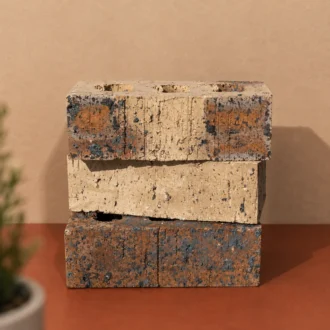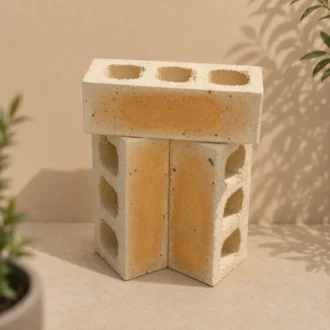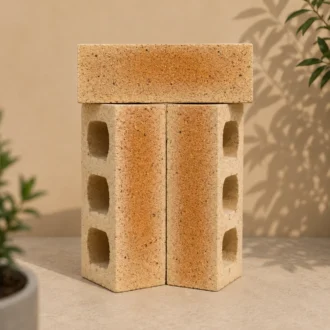
Peach clay bricks introduce soft apricot, salmon and warm pink-orange tones to masonry. They are gentler than bright orange and usually lighter than standard red brick. This tag allows architects, homeowners and builders to compare peach-coloured face bricks or clay pavers without confusing them with cream, pink or terracotta ranges.
The peach category can include pale pastel products, warm sandy blends and stronger salmon shades. Textured surfaces scatter light and soften the colour; smooth faces make the tone look cleaner and more deliberate. Mortar and roof colours should be tested carefully because peach reacts strongly to neighbouring reds and yellows.
Decide whether you want a beige-peach, orange-peach or pink-peach undertone. Test the brick with cream and light-grey mortar; cream strengthens warmth, while grey adds restraint. View the panel at different times of day and blend packs to avoid colour banding.
Peach brickwork can refresh mid-century forms, soften contemporary houses and bring warmth to courtyards or hospitality spaces. It works best when the rest of the palette is controlled. Pale neutrals make the result airy, while charcoal details give the soft colour a sharper architectural edge.
Useful material and colour pairings include:
Suitability depends on the classification of the individual product. Options listed under this colour tag may include:
A face brick is a walling product and should not automatically be used for paving. For patios, paths and driveways, select a purpose-manufactured clay paver suitable for the expected pedestrian or vehicle traffic.
Measure the net area in square metres. For walls, multiply total wall length by height and subtract doors, windows and other openings. For paving, multiply the length by the width of each section and add the sections together.
| Application | Estimating rate | Formula |
| Single-skin face-brick wall | 55 bricks per m² | Net wall area x 55 |
| Double-skin face-brick wall | 110 bricks per m² | Net wall area x 110 |
| Clay paving | 50 pavers per m² | Paving area x 50 |
Worked example for 13 m²: allow 715 face bricks for a single-skin wall, 1,430 face bricks for a double-skin wall, or 650 clay pavers for a paved area of the same size. Round quantities up and ask the supplier or builder what additional allowance is appropriate for cuts, breakages, bond pattern and site conditions. Use the full Brick Tile Shop brick calculator for a project estimate.
Peach clay brick enquiries are welcome for building projects in Gauteng, including Pretoria, Midrand, Johannesburg, Centurion and Ekurhuleni. Availability and nationwide transport are confirmed against the selected product, required quantity and delivery location.
Peach brick combines soft orange with pink, salmon, apricot or beige undertones.
Peach contains more orange or apricot; pink brick usually has a clearer rose or blush character.
Charcoal, warm grey and selected brown roofs can work well. Compare actual samples because undertones vary.
Yes. Cream mortar amplifies warmth, while light or medium grey creates greater neutrality and definition.
Only a peach clay paver with the correct classification should be used for paving.
Browse the peach products shown in this archive and open the individual listings to compare size, classification, texture, price and stock status. For an accurate quotation, send Brick Tile Shop the product name, required quantity and delivery address. Request samples where colour matching is important.