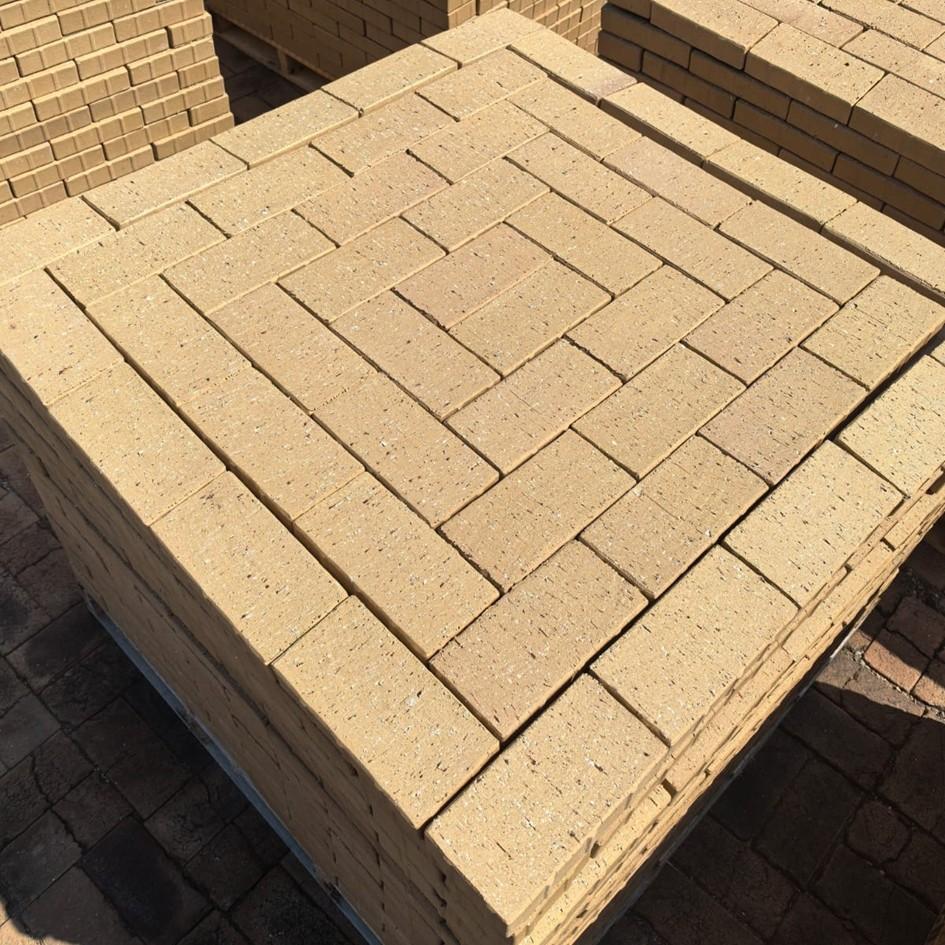
Champagne clay bricks offer a soft, refined colour palette that can include cream, beige, pale gold and warm sandy undertones. Their light and understated appearance makes them an attractive alternative to conventional red, brown or dark face brick.
This collection includes champagne face bricks in a variety of textures, shades, dimensions and finishes. Browse the available products to compare their appearance, price, technical classification and suitability for your building project.
Brick colours can appear different under changing light conditions and on different screens. Request current physical samples and build a sample panel before making a final selection.
Champagne clay bricks are fired-clay building products with a predominantly light, warm-neutral appearance. The final colour may be influenced by the clay composition, surface finish, manufacturing process and firing conditions.
Depending on the particular brick range, champagne colours may include:
Some products have a consistent, elegant appearance, while others contain natural flashes, speckles or subtle variations in cream, gold, grey and brown.
Always check whether the selected product is classified as a face brick, semi-face brick, stock brick or clay paver.
Champagne, buff, cream and beige bricks belong to a similar light-neutral colour family, but the descriptions are not always interchangeable.
Champagne bricks typically have a refined cream or beige base with subtle golden undertones. Buff bricks may appear more sandy, tan or yellow, while cream bricks generally have a lighter and less golden appearance.
These colour names can vary between manufacturers. A product should therefore be selected using a physical sample rather than relying only on its colour name.
Viewing several bricks together provides a better indication of the complete colour blend than examining one individual brick.
Champagne face bricks can create a light, welcoming exterior while retaining the natural texture and character of clay masonry. They work especially well in designs where dark brickwork would feel too visually heavy.
Potential design benefits include:
Champagne brickwork can be used across an entire façade or introduced selectively on entrances, columns, feature walls and entertainment areas.
Subject to the classification and specifications of the chosen product, champagne clay bricks may be suitable for:
Not every clay brick is suitable for every building application. Confirm the technical classification and exposure requirements with the manufacturer and relevant project professional.
For patios, pathways and driveways, select a purpose-manufactured clay paver. A champagne face brick should not automatically be used as a paving brick.
Champagne brick is versatile because it works with both warm and cool exterior materials. It can create a soft contemporary result, a natural country-style palette or an elegant traditional appearance.
For contemporary architecture, combine champagne bricks with charcoal roofing, black-framed windows, timber accents and clean plaster sections. The contrast between light brickwork and dark architectural elements creates definition without making the building feel severe.
For a warmer, more traditional design, pair champagne brick with cream mortar, natural stone, bronze finishes and medium-brown timber.
Effective material combinations include:
Consider how the roof, windows, doors, paving and boundary walls will work together before approving the final exterior palette.
Light-coloured bricks can change noticeably throughout the day. Direct sunlight may bring out cream or pale-gold tones, while shade may reveal beige, grey or muted brown undertones.
The surrounding environment can also affect how the colour is perceived. Reflections from the roof, paving, soil, plaster and neighbouring buildings may make the brick appear warmer or cooler.
Evaluate brick samples:
This is particularly important when matching an existing structure or complying with an estate’s architectural guidelines.
Mortar colour can significantly alter the final appearance of champagne brickwork.
Cream or light-beige mortar usually creates a soft, blended finish. Light-grey mortar provides gentle definition, while dark-grey mortar outlines each brick and produces a stronger, more contemporary contrast.
The chosen joint profile will also affect the depth and texture of the wall. Recessed joints create more shadow, while flush or ironed joints generally result in a cleaner and more even appearance.
Build a sample panel using the selected brick, mortar colour, joint profile and laying pattern. Review the panel from different distances and under changing light before construction proceeds.
Champagne clay bricks may be available in smooth, textured, wire-cut, rustic or irregular finishes.
Smooth bricks generally create a precise and contemporary appearance. Textured products introduce additional shadow and visual detail, while rustic bricks produce a more natural and handcrafted character.
Because clay is a natural material, individual bricks may display variations in colour, markings and texture. Bricks should be drawn from multiple packs during construction to distribute the natural variations evenly across the wall.
Avoid constructing one large section from a single pack. Regularly view the developing wall from a distance to ensure that light and dark shades are evenly blended.
Consider the following before placing an order:
Final quantities should be confirmed by the builder, architect or quantity surveyor responsible for the project.
Careful handling and workmanship are especially important with champagne bricks because mortar marks, soil and construction dirt may be more noticeable on a light surface.
Brick packs should be stored appropriately and protected from mud or contamination. Mortar should be applied carefully, and residue should be addressed according to the brick manufacturer’s recommendations.
Avoid unapproved chemicals or aggressive cleaning methods that could alter the brick surface, mortar colour or completed appearance.
Brick Tile Shop assists homeowners, architects, builders and developers looking for champagne clay bricks in Pretoria, Centurion, Midrand, Johannesburg and surrounding Gauteng areas.
Supply to projects elsewhere in South Africa may also be possible, depending on product availability, order quantity, transport requirements and the delivery destination.
When requesting a quotation, provide:
This information helps determine current stock, pricing and applicable delivery costs.
Champagne brick is generally a soft cream, beige or sandy colour with subtle golden undertones. Some products may also contain pale-grey, tan or muted-yellow variations.
Not necessarily. Champagne bricks often have a lighter cream or golden-beige appearance, while buff bricks may be more sandy, tan or yellow. Colour descriptions differ between manufacturers, so samples should be compared.
Yes. Champagne face bricks work particularly well with charcoal roofing, black aluminium frames, natural timber and neutral plaster. Their light colour can soften strong contemporary lines.
Cream or beige mortar creates a blended appearance, light-grey mortar adds gentle definition, and dark-grey mortar produces stronger contrast. The combination should be tested in a sample panel.
Some champagne products have pale-gold or muted-yellow undertones, while others appear closer to cream, ivory or beige. View samples in natural daylight to confirm the colour.
Construction dirt and mortar marks may be more visible on some light-coloured bricks. Appropriate storage, careful workmanship and manufacturer-approved cleaning methods help protect the finished appearance.
Suitable face bricks can be used for interior feature walls, fireplaces, entrance areas and entertainment spaces. Confirm that the chosen product and installation method are appropriate for the application.
Only use the brick for paving if it is specifically manufactured and classified as a clay paver. Ordinary face bricks should not automatically be installed on patios, pathways or driveways.
The quantity depends on the brick dimensions, wall area, openings, mortar joints and laying pattern. Use a brick calculator for an initial estimate and have the final order quantity checked by your builder or quantity surveyor.
Where possible, order the full project quantity together. This can help with colour coordination and product availability. Confirm the appropriate allowance for breakages, cutting and future repairs before ordering.
Browse the champagne clay bricks displayed on this page and compare their shade, texture, dimensions, classification and price. Request physical samples whenever accurate colour selection is important.
For assistance with samples, stock availability or delivery, send Brick Tile Shop the selected product name, estimated quantity and project location. Request a detailed quotation before ordering to confirm current pricing and transport costs.