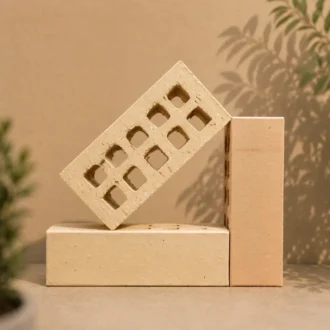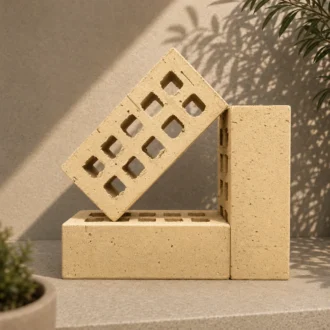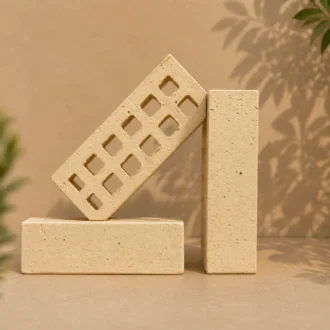
Buff clay bricks provide a light, warm and neutral alternative to traditional red or dark face brick. The buff colour family can include cream, sand, beige, pale gold, light tan and muted yellow tones.
These clay bricks are well suited to homes and buildings that require a brighter exterior, softer contrast or understated natural palette. Browse the available buff bricks to compare colour, texture, dimensions, pricing and intended use.
Buff is a warm neutral colour positioned between cream, beige, sand and light yellow. The exact appearance varies according to the clay, surface treatment and firing process used by the manufacturer.
A buff brick is not necessarily a bright yellow brick. Many buff products have muted sandy, ivory or beige undertones, while others include natural flashes of brown, gold, grey or pale orange.
Always view a current sample because photographs, screens, direct sunlight and shade can make a buff brick appear lighter, warmer or more yellow than it does on site.
Buff brickwork can make a building appear lighter and more open while retaining the texture and permanence associated with masonry. It works particularly well where dark brick would feel too visually heavy.
Potential design advantages include:
Buff bricks can be used as the main exterior finish or as an accent alongside plaster, stone, timber and contrasting brick colours.
Depending on the specifications and classification of the selected product, buff clay bricks may be used for:
For patios, paths or driveways, select a purpose-manufactured buff clay paver. A buff face brick should not be assumed suitable for paving.
Buff bricks can move easily between traditional and modern architecture. Texture, mortar and surrounding finishes determine the final character.
For contemporary projects, combine buff face brick with charcoal roofing, black window frames, timber accents and simple landscaping. This creates a clear contrast without making the building feel overly dark.
For a warmer, more traditional result, use cream mortar, brown roof finishes, natural stone and timber doors. Buff bricks can also support coastal-inspired or minimalist palettes when combined with off-white plaster and pale neutral materials.
Useful pairings include:
Mortar has a particularly strong influence on light-coloured brickwork. A close colour match creates a quiet, blended surface, while darker grey mortar outlines every brick and produces a more graphic appearance.
White or cream mortar may make the wall feel lighter, but the actual mortar formulation and suitability must be confirmed by the relevant construction professional.
Joint depth also matters. Recessed joints create shadow lines, while flush or ironed joints may give the wall a more even appearance. Prepare a sample panel before approving the final combination.
Buff bricks can look substantially different throughout the day. Direct sunlight may emphasise cream or golden tones, while shade may reveal grey, beige or brown undertones.
The colour reflected by the roof, paving, soil and neighbouring walls can also affect how the bricks are perceived. Evaluate samples:
This is especially important when matching an existing building or working within an estate’s architectural colour requirements.
Buff clay bricks are available in finishes ranging from clean and uniform to heavily textured or rustic. Smooth products generally produce a sharper, more contemporary appearance. Textured products add shadow and can make a neutral wall feel more detailed.
As with other fired-clay products, shade and surface variation may occur. Bricks should be mixed from several packs during installation to distribute the variation naturally across the elevation.
A representative sample panel is more reliable than selecting a product from one loose brick.
Before placing an order:
Final quantities and technical suitability should be checked by the builder, architect, engineer or quantity surveyor responsible for the project.
Correct handling and workmanship are particularly important with pale bricks because mortar smears and site dirt may be more visible.
Brick packs should be stored appropriately, and walls should be protected during construction. Mortar residue should be addressed using the manufacturer’s recommended methods. Avoid aggressive or unapproved cleaning treatments that could affect the brick or mortar.
Brick Tile Shop assists with buff, cream and sand-coloured clay bricks for homes and developments in Pretoria, Centurion, Midrand, Johannesburg and surrounding Gauteng areas.
Supply to other South African locations may also be possible, depending on the product, order quantity and delivery destination. Contact Brick Tile Shop with the product name, quantity and site address to confirm availability and transport costs.
Not always. Buff is generally a softer, more neutral colour and may include cream, beige, sand or pale-gold undertones. Some products may look yellow, while others appear closer to light tan or ivory.
Marks may be more noticeable on some light-coloured surfaces. Correct site handling, careful mortar application and manufacturer-approved cleaning help protect the finished appearance.
Products classified for exterior face-brick applications can be used on façades and exterior walls. Confirm the technical classification of the particular brick before ordering.
Cream or light mortar creates a softer blend, while grey or dark mortar produces greater contrast. Test the brick-and-mortar combination in a sample panel.
Yes. Suitable buff face bricks can create light, textured interior feature walls that complement timber, neutral paint colours and dark fittings.
Only use the product for paving if the manufacturer classifies it as a clay paver. Walling bricks should not automatically be used on patios, paths or driveways.
Compare the buff clay bricks displayed on this page, including their shade, texture, dimensions and price. Request physical samples whenever colour accuracy is important.
For a quotation, provide Brick Tile Shop with the chosen product, estimated quantity and delivery address. This allows stock availability and delivery costs to be checked for your project.